

Denial and Addiction: Lies We Tell Ourselves
September 13, 2021
Denial and the Addiction cycle
Many of us live in a state of denial as a way of coping. The truth is when we’re hurting and our life is falling apart, denial helps us escape our reality, rationalise our behaviour, numb pain and hide from the truth.
The habit of denial usually begins in childhood as a survival mechanism. We use it to protect ourselves and block out painful experiences that seem too difficult to process and accept at the time. Unfortunately this can continue on into adulthood and addicts are particularly prone to denial as it helps the addiction cycle to continue for months and for many people, years. Yet, continuing to deny what is really happening in our life can have disastrous consequences for both us and those closest to us.
“Denial as a coping mechanism. Denial is how addiction can continue to persist when a client’s life is falling apart,” says Diane Young, addiction specialist at South Pacific Private, the leading addiction treatment centre in Australia. “Addicts, particularly high- functioning alcoholics, are very adept at compartmentalising,” she explains.
Young says those of us who are struggling with addiction may attempt to hide our behaviour from those closest to us and continue to live in a state of denial because it’s an easier path. “No one wants to admit that they are struggling with drugs, alcohol, gambling or sex addiction,” she says. “A client may use work as a haven away from home, their work with charities or their sporting clubs to hide their ‘other’ life. Their friends may be in denial too, assisting them to hide what is really happening to them,” she adds. “Unfortunately the addict usually has no clue how their behaviour is impacting their families. They will lie when the truth will do.”
According to Young, self-deception and delusional behaviour is common. “We tell ourselves things aren’t that bad or we have it under control and can quit any time we like, but in reality, life is spinning out of control,” she says.
It is only when denial breaks down that we can truly understand the lies we have been telling ourselves as a coping strategy. This may happen when someone continues to raise our denial with us, we have a moment of clarity and realise we’re living in denial or we hit ‘rock bottom’ and are forced to accept the truth. Our loved ones may stage an intervention and force us to seek help or we realise spontaneously that we have a serious problem that we have been lying to ourselves about.
Young says that acceptance is a necessary first step for every patient on the pathway to recovery from addiction. “Without it, treatment that creates long-lasting changes in a client’s life cannot fully begin and the patient will often end up relapsing,” she says. The second step is reaching out for professional help so we can receive the knowledge, skills and support to help us through recovery. “At South Pacific Private, we’re experienced in helping those who are ready to begin a path toward recovery, to repair relationships and to rebuild their lives and find renewed hope.”
If you think you may have an addiction problem, you can take a self-assessment questionnaire here. Alternatively, call our intake team on 1800 063 332, who can talk through the options of outpatient and inpatient rehab programs we offer and advise the most suitable pathway for your recovery.
Online Self Assessments
Recommended Reading

I didn’t know that I was a sex and love addict. In fact, I had never heard of such a thing. I had cruised around relationships all my life, believing <span class="italic text-xs">… Continued.</span>

I was probably about 8 or 9 years old when I really realised that my Mum wasn’t like others. She conceived me via a donor in her early 40s, so <span class="italic text-xs">… Continued.</span>

I'm continually inspired by the strength and courage of our clients and their families who walk through our doors.
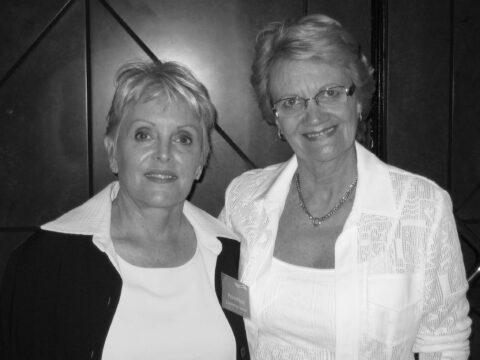
Her work laid the foundation for what we now understand as developmental trauma. The model she developed, rooted in her own clinical experience and deep insight, was not only groundbreaking at the time but has continued to stand the test of time.
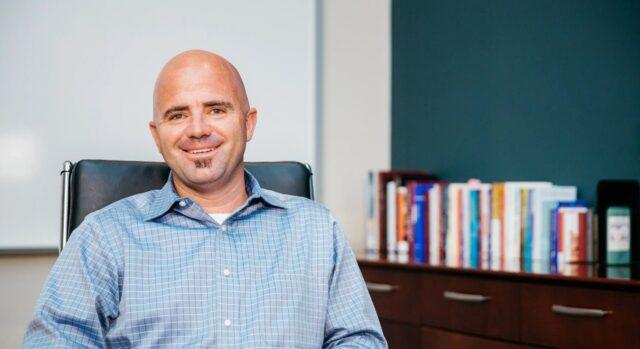
In Conversation With Sean Walsh We recently had the pleasure of welcoming Sean Walsh, former CEO of The Meadows, to South Pacific Private. With extensive experience in trauma, addiction, and <span class="italic text-xs">… Continued.</span>

By Diane Young, Addictions and Trauma Specialist Gambling addiction is often misunderstood, dismissed as a simple lack of self-control or just a bad habit. However, as a therapist working closely <span class="italic text-xs">… Continued.</span>

The ripple effects of devastating events can profoundly affect entire communities, creating a shared experience of collective trauma that resonates far beyond the immediate aftermath. Natural disasters such as fires <span class="italic text-xs">… Continued.</span>