
Shannon’s Story
August 12, 2025
I was probably about 8 or 9 years old when I really realised that my Mum wasn’t like others. She conceived me via a donor in her early 40s, so was a single mum who worked full-time in a high-level executive role, which meant long nights out entertaining clients and even longer business trips overseas. For me, as an only child, I would spend long periods of time with babysitters, neighbours and relatives. Anyone who could provide a stop gap for her, really.
When Mum was home on time to see me before bed, she would often be drunk, having returned from a long lunch with clients or corporate functions, so it would be a quick kiss on the head before she passed out in her own room, totally exhausted before getting up at 6am the next day to take a flight interstate or head back to the office. She also often worked incredibly late, perhaps until 11 or 12 o’clock at night, and on those nights she’d drink at her desk in the office. I think it was just part of the culture in her industry, not really thought of as anything unusual and just part and parcel of working so hard. It was also seen as acceptable, I guess, because she was an appreciator of fine wines, and had a big expensive collection, so she never really looked like how you imagine an alcoholic.
I was lucky that I was always taken care of by wonderful people who had the best intentions for me, and when I would spend time at my uncle and aunt’s house with my cousins I would get a glimpse into what life was like with parents who didn’t drink and who didn’t work excessive hours. I loved being there, but I also always felt like I was imposing a bit. They loved me so much and treated me like one of their own, but it never really felt like home. On reflection now, I think maybe I felt like a bit of a charity case. I understand that as a single parent, Mum was just doing the best she could, but I do often wonder now whether she chose to put her work before me, and if it was absolutely necessary.
Despite what I now know was a less-than-nurturing childhood, I seemed to come through reasonably unscathed. I was always pretty good at school, well-behaved and academic, and so I sailed through and into university. It’s probably not typical as a young person, but I’d always seen alcohol as a terrible thing that didn’t seem to make anyone happy. So I avoided it at all costs. I didn’t want to end up like Mum, and I wanted to break that cycle. I was probably wise beyond my years, but I promised myself, even as my friends started experimenting with alcohol and drugs, that I would remain sober. I’m proud of that, because it wasn’t easy, especially when all you want to do is fit in. But I was so scared of what it would do to me if I started that I just avoided anything like it at all costs.
For most of the time after that, life was great. I finished uni, met an amazing man and we had a beautiful baby girl. I was more resolved than ever that I wouldn’t drink or take drugs and I would be a better mother than what my own had been. But out of nowhere, when my daughter was around 10 years old, a deep depression set in. I had a great job, supportive partner and comfortable lifestyle, but I suddenly started doubting everything. I felt useless at work, like I was a terrible imposter and not worth being there. It was a year or two of feeling this way when it became crippling. I didn’t want to leave the house, I was constantly calling in sick and detaching from everyone around me. My self-esteem had completely disappeared. My husband adores me, but I didn’t feel good enough for him. My friends encouraged me to come out and see them, but I didn’t feel good enough for them. I avoided the other mums at the school gate. Because what could I possibly have to contribute?
Eventually, at the gentle suggestion of my husband, I went to see a counsellor. For a while it was nice just to talk to someone about all the crazy feelings I had been having. But then after a few sessions she asked if I had ever heard of Adult Children of Alcoholics and Dysfunctional Families. I hadn’t. I’d of course heard of AA, but Mum had never endeavoured to get sober, and I thought since I was an abstinent person myself that this kind of thing wouldn’t apply to me. But, I trusted my counsellor and went along to a meeting – and wow. It all became clear to me very quickly that I had been seriously impacted by my mother’s alcoholism and workaholism, and I needed help. It was in those rooms that I heard about South Pacific Private, and so with the support of my family, I checked myself in.
As soon as I had committed to going, I was met with that horrible feeling of being an imposter again. I was here with all these people who were truly struggling with addiction, and yet here I was, completely sober and unable to cope with life. It was like I didn’t belong anywhere. But what kept me there, and not running for the door, was that I was wrapped up by my Primary group and the general SPP community as if I were one of them. When I did my timeline, my group just flooded me with love and empathy and I realised that what I had been through had been traumatic. Sure, I hadn’t been physically abused in any way, but it suddenly became clear that my childhood had taught me that I wasn’t good enough. Being a mum myself, I knew that for me, maternal love was unconditional. I’d do anything for my kid. So if I wasn’t good enough for my own mum’s love and attention, why would anyone else possibly think I was worth anything? It was so eye-opening to realise that I had created these beliefs about myself, and that they weren’t facts. I had the power to change them.
Today, I am so much better. My head is clearer and I have so much insight into what happened to me and how my past interplays with my triggers. I always thought that by being a sober person, I was breaking the cycle in my family and that was what would make me a great mum. But I know now that it is not enough to just abstain from something. Those five weeks in SPP taught me that to really break dysfunctional cycles in families you need to break the cycle of childhood trauma. I try to do that every day by teaching my child that I am good enough, her dad is good enough, and that she is good enough. We’re all good enough.
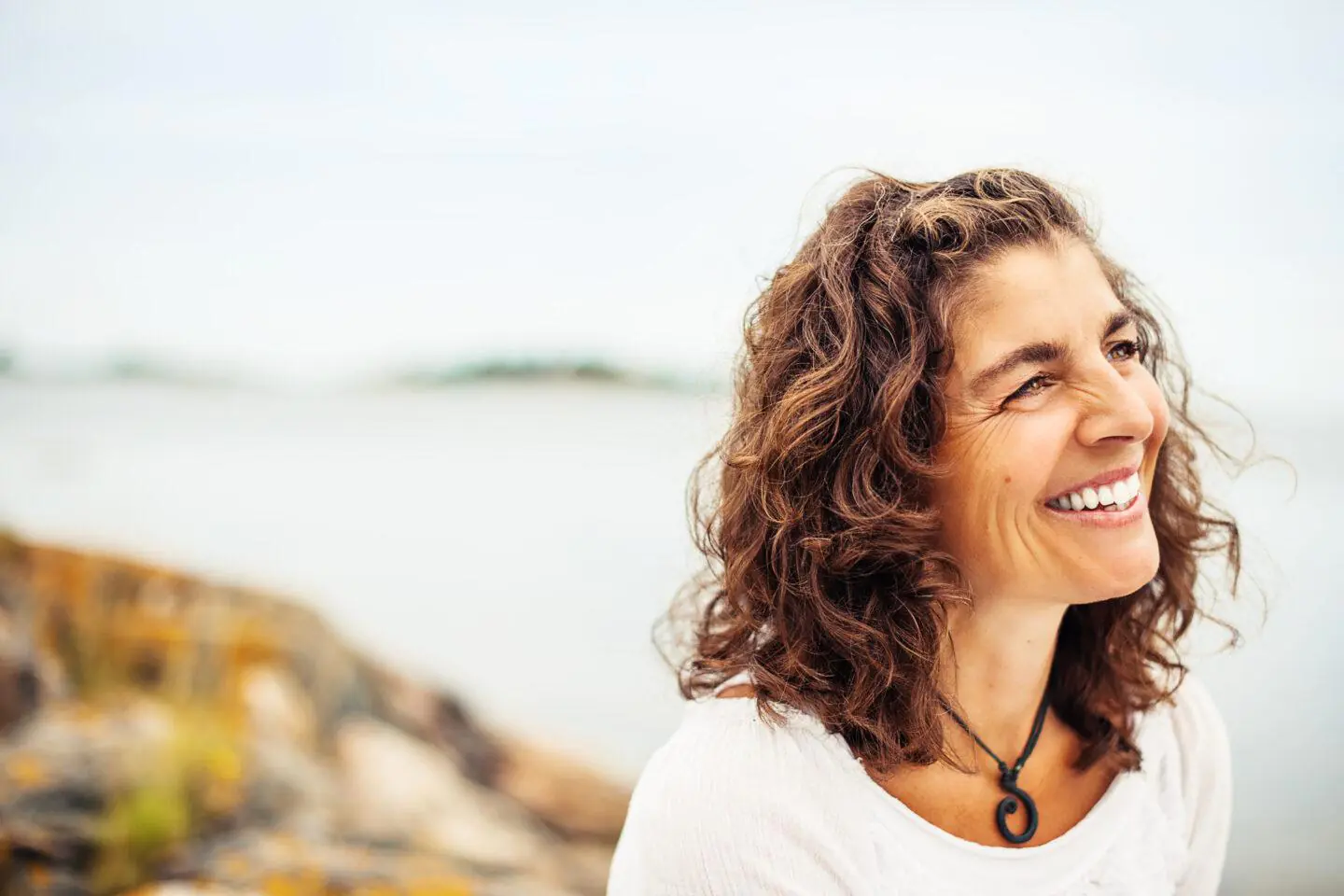
*Photo is for demonstration purposes only
If you or your loved one is experiencing addiction, depression, trauma, PTSD, and anxiety, call us on 1800 063 332 for a confidential talk with no obligation. Our Intake Team will listen to you and discuss the best rehab programs available for your recovery.