
Trauma & PTSD Treatment on Sydney’s Northern Beaches
Inpatient treatment that looks for the why behind what's been happening, at a private psychiatric hospital in Curl Curl.
Some people know exactly what happened to them. Others only know that something feels wrong. Sleep is broken, small things set off big reactions, and relationships keep running into the same wall. Many people have been managing this for years, often with alcohol, work or staying busy, before anything names it as trauma.
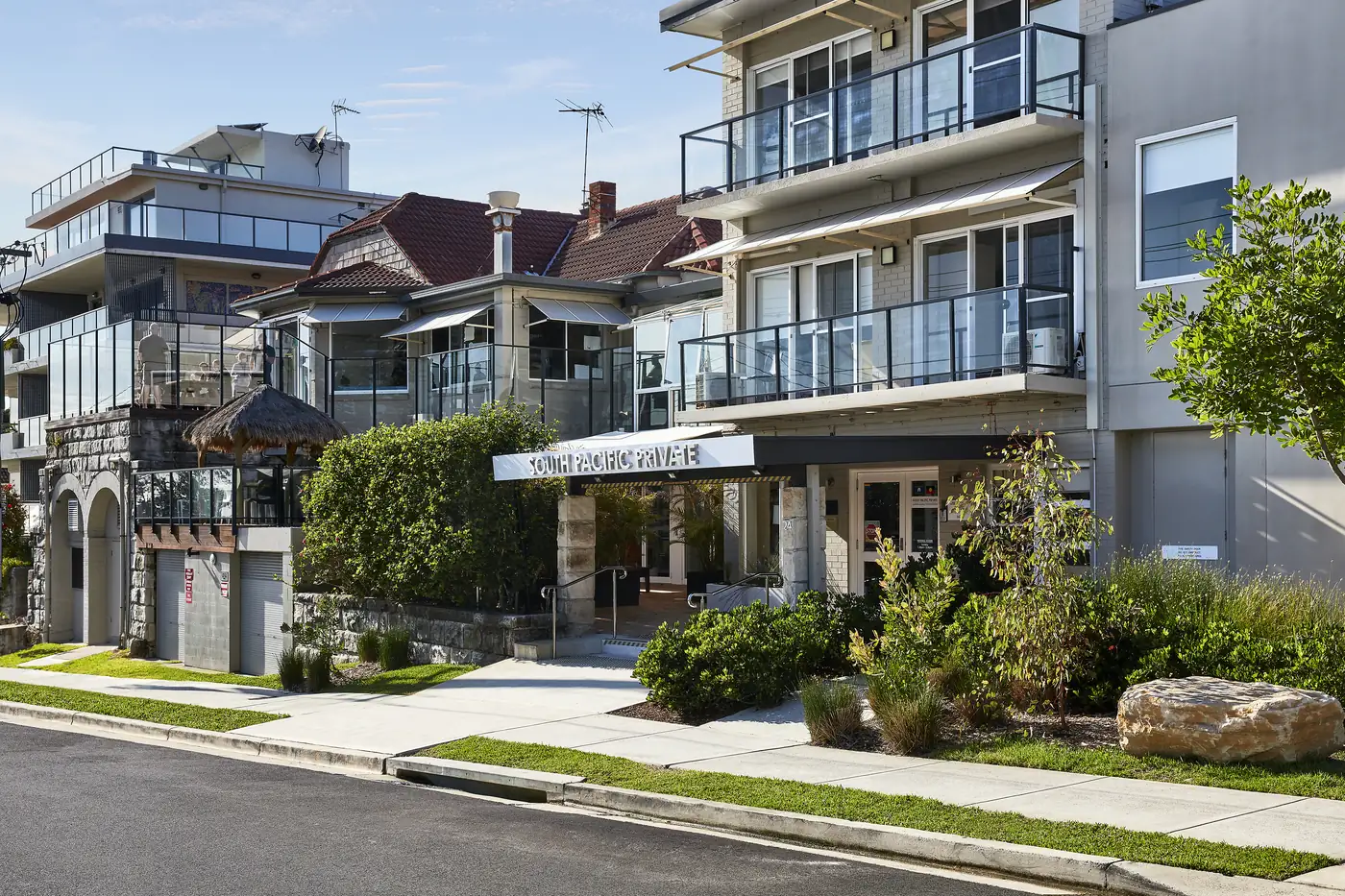
South Pacific Private is a private psychiatric hospital in Curl Curl that has treated trauma and PTSD since 1993. Our inpatient program looks for the why behind what’s been happening, and treats trauma alongside the addiction, depression or anxiety that often comes with it.
If you are in crisis or need urgent help, call 000 or Lifeline on 13 11 14.
On this page: Understanding PTSD · Common signs · How the program works · Life during a stay · Families and aftercare · Getting started · FAQ
Understanding Trauma, PTSD and Complex PTSD
Trauma is the lasting effect of an experience that was too much to process at the time. It can follow a single event such as an accident, assault or sudden loss. It can also build slowly, through years of feeling unsafe, unseen or criticised.
What is PTSD
Post-traumatic stress disorder can develop after a frightening or life-threatening event. The memory keeps returning as if it were happening now, and the body stays braced for danger long after it has passed.
What Is Complex PTSD?
C-PTSD usually grows out of repeated or long-running trauma, often in childhood. Alongside PTSD symptoms, people commonly describe:
– Strong emotions that are hard to settle
– Deep shame, or feeling worth less than others
– Difficulty trusting people or staying close
When Trauma Starts in Childhood
Many adults wouldn’t call their childhood traumatic. Often their needs weren’t met in ways that seemed normal at the time. The adaptations that helped them cope, like people-pleasing or shutting feelings down, can cause real problems later. Our program calls this developmental trauma.
Common Signs of Trauma and PTSD
- Reliving it: flashbacks, nightmares, or memories that arrive without warning
- Avoiding it: steering clear of people, places or conversations that bring it back
- Always on alert: feeling jumpy, irritable or unable to relax or sleep
- Feeling cut off: numbness, or feeling distant from people you care about
- Shame and self-blame: a constant sense of being not good enough
- Numbing it: using alcohol, drugs, work or other behaviours to get through
- Relationships that repeat: the same conflicts or patterns, with different people
None of this is a diagnosis. If several feel familiar, it may help to talk with someone who can look at the whole picture. Take the Trauma Self-Assessment ›
Trauma Alongside Addiction, Depression and Anxiety
Trauma rarely arrives on its own. Many people first seek help for drinking, depression or anxiety, and only later see how much of it connects back to earlier experiences.
At South Pacific Private, these are treated together in the same admission, with a psychiatrist setting the plan.
How Our Inpatient Trauma Program Works
The inpatient program runs for a minimum of three weeks. South Pacific Private builds its therapy on an adapted version of Pia Mellody’s Model of Developmental Immaturity. The model looks at how early experiences shape self-esteem, boundaries and relationships in adulthood, and clients learn it directly in daily lectures.
This is how the program gets to the why. Clients start to see where patterns came from, which makes them easier to change.
Psychiatrist-Led Plan
A doctor sees each client on arrival day. A psychiatrist sets and reviews the plan each week.
Intensive Group Psychotherapy
Around four and a half hours a day, with the same group and therapist throughout.
Daily Education Sessions
On trauma, addiction, depression, anxiety, relationships and family systems.
24/7 Nursing Care
In a licensed 54-bed private psychiatric hospital.
Medically Supervised Withdrawal
Sometimes called detox. Managed onsite for most clients who need it.
Daily Education Sessions
On trauma, addiction, depression, anxiety, relationships and family systems.
Why Group Therapy
Trauma often leaves people feeling alone with what happened, or convinced no one would understand. Working in a small, consistent group changes that. Clients hear their own experience in other people’s stories, and practise trust and honesty in a setting that is safe and led by a therapist.
Group work is paced. Nobody is asked to share details of their trauma before they are ready, and the treating team adjusts the plan each week.
Life During a Stay
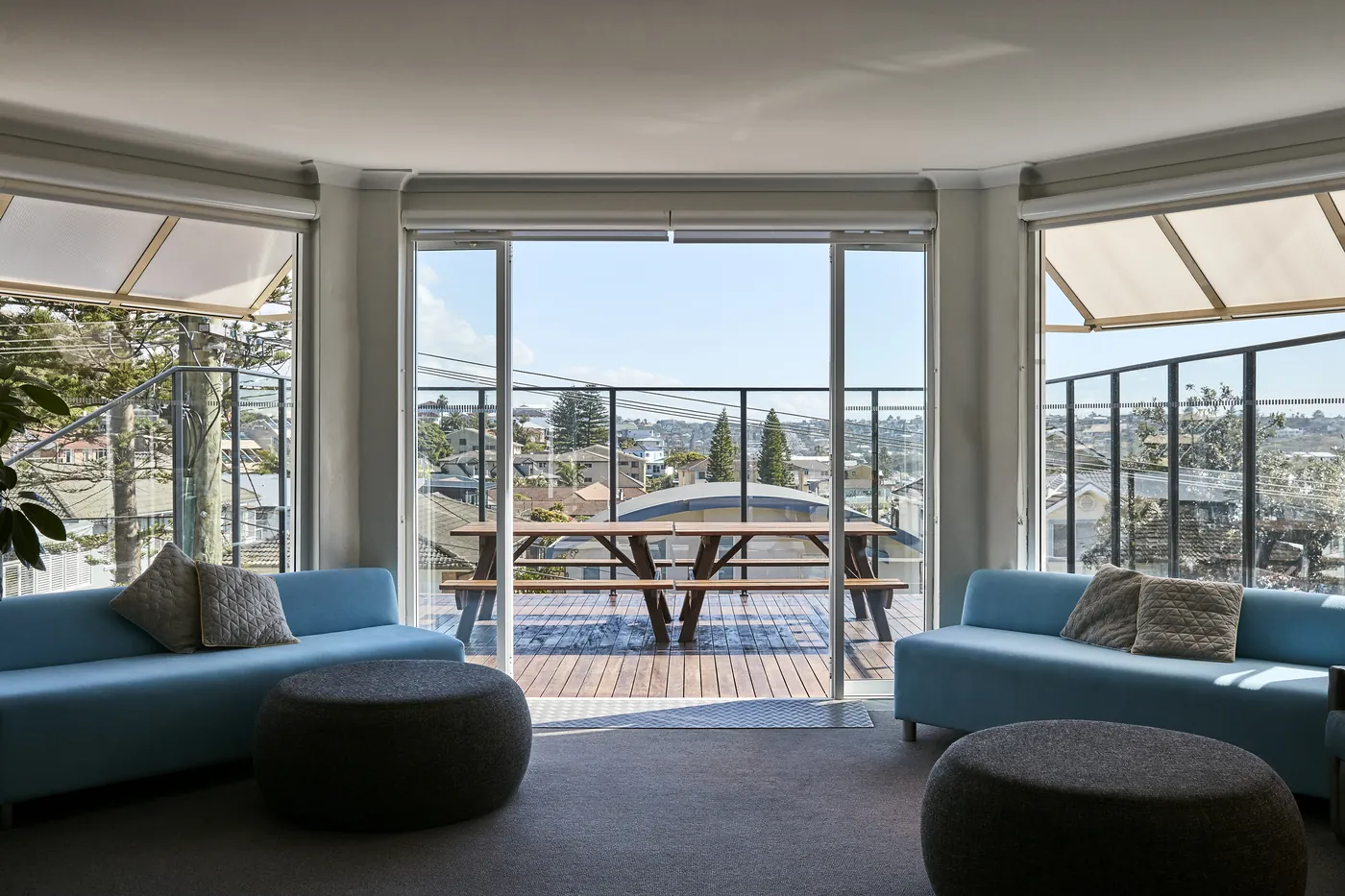
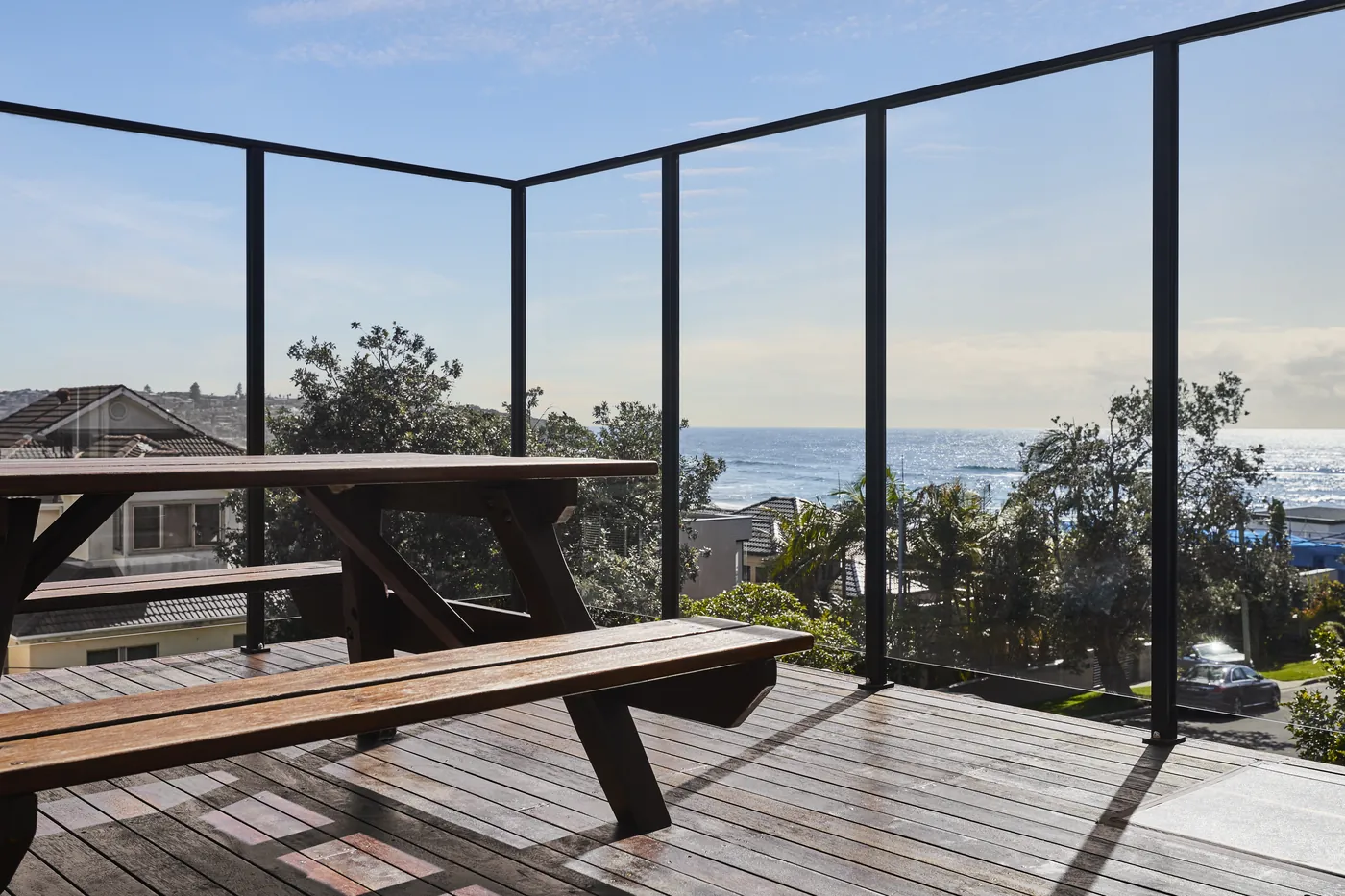
South Pacific Private is a hospital that doesn’t feel like one. It sits beside the beach at Curl Curl, with ocean views and a short walk to the sand.
The days are structured, which many clients find steadying when everything else feels uncertain. Sleep, movement and food are treated as part of the clinical work.
A typical week includes:
✓ Beach walks twice a day
✓ Yoga and art therapy
✓ Chef-prepared meals
✓ Daily mindfulness sessions
✓ Group therapy, lectures and time to reflect
Weekends are slower, with time for rest, reflection and family visits.
Support During and After Treatment
Support for Families
Relational work starts from day one. The Family Program is open to biological and chosen family, including partners and friends. Invited family members join the client for three days, working with a therapist on skills for staying connected once treatment ends.
After the Inpatient Program
- The same Case Manager from around day ten
- An aftercare plan built around each client
- The option of the two-week Transitions Program
- Follow-up calls at seven days and six weeks
Health Funds and Costs
Covered by most private health hospital policies that include psychiatric cover. The once-in-a-lifetime mental health waiver may let you upgrade without the usual wait. We also hold a Hospital Services Agreement with DVA.
How to Get Started
The first step is a conversation with our intake team. You can call, or book a call back online at a time that suits you.
The team will talk through what’s been happening, check your health fund, and explain what a referral involves. Every call ends with a next step, even when that’s a referral somewhere better suited to your needs.
You may be able to start treatment the same day, or within a day or two, if your referral and health fund checks meet requirements.
Questions about work, legal matters or documentation are best talked through with our intake team.
Curious?
Take A Self-Assessment
The goal of our self-tests is not to provide you with a diagnosis for yourself or for someone you care about. Instead, they are an opportunity for you to better understand how a behaviour might be impacting upon your life or the life of your family. Use these tests to enhance your awareness of what the problem might be.
These tests should be answered honestly in order to provide accurate insight and are a chance for you to reflect upon the current situation.
Frequently Asked Questions
No. You won’t be asked to go over details of what happened before you’re ready. The program focuses on how past experiences affect you now. Your therapist and treating team set the pace, and review it each week.
The inpatient program runs for a minimum of three weeks. Your treating team may recommend the two-week Transitions Program or other day programs afterwards, depending on your needs.
Not necessarily. Many people find their symptoms become far more manageable with the right treatment and support. How long that takes varies from person to person. Our intake team can talk through what treatment could look like for you.
For some people, yes. Your psychiatrist will review any medication as part of your overall treatment plan. At South Pacific Private, therapy is the main focus of the program.
South Pacific Private is a licensed private psychiatric hospital, accredited to the National Safety and Quality Health Service (NSQHS) Standards. That means psychiatrist-led care and 24/7 nursing, in a beachside setting at Curl Curl.
Yes. Admission requires a referral from a GP or psychiatrist. If you don’t have one yet, our intake team can explain how to get one.
Yes. Trauma and addiction are often treated together at South Pacific Private. The program is abstinence-based, so you would stop drinking and using non-prescribed drugs during your stay. If you need medically supervised withdrawal, it is usually managed onsite.
Contact South Pacific Private
Fill out the form below and a member of our intake team will be in touch.